[ coaching for clarity, authenticity, and skillful change ]
I Work With
leaders
pursuing clarity, steadiness, and authenticity in work and life
founders
navigating shifting responsibilities, relationships, and expectations
mission-driven professionals
seeking resilience, insight, and ease in demanding roles
anyone
ready to reconnect with what feels true
About Me

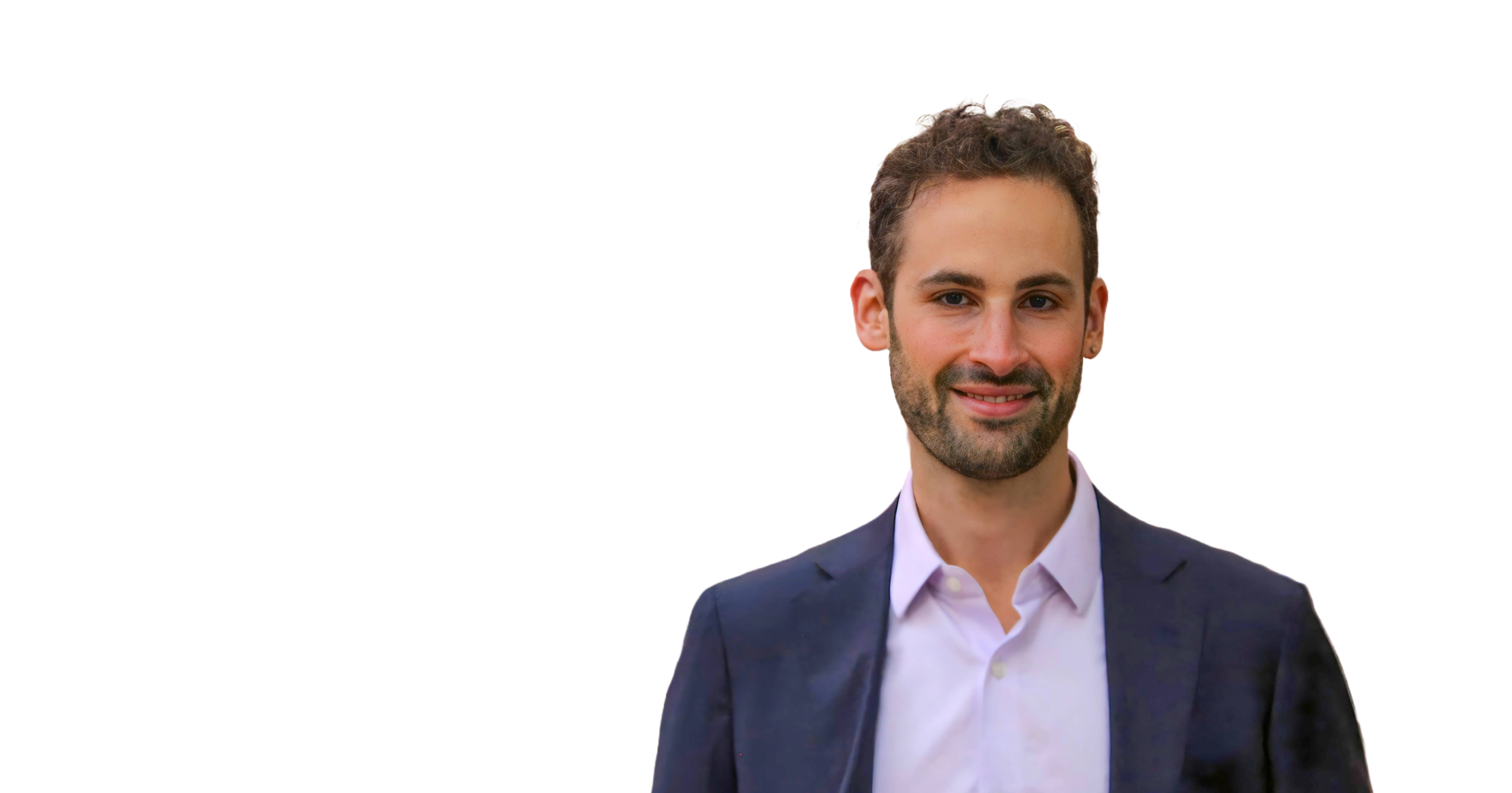
I’ve spent my life and career helping people navigate complexity and messiness by helping them look closely. My background spans corporate strategy, leadership advisory, organizational development, meditation, and community organizing. The thread through all of it is a deep interest in helping people grow, find meaning, and make wise decisions.
My Story
I came to coaching because I care about clarity, authenticity, and the kind of inner steadiness that lets people move skillfully through a world that makes steadiness and clarity really hard.
I began my career working for Gartner, the world’s premier technology research firm. I helped technology leaders of the world’s largest companies to make evidence-based, peer-validated decisions. I worked closely with executives managing 9-figure budgets. I vetted founders from cutting-edge startups hoping for a shot at the big dogs (e.g., Docker, Nvidia, Illumio, etc.). I listened diligently as clients told me about their challenges. It was an incredible opportunity for a young professional like myself.
But I felt stuck. I lacked purpose. “Am I really making the world a better place?”
In December 2019, I resigned from Gartner and stepped into the uncertainty. My mission then and now:
Help leaders and professionals infuse their work and lives with greater humanity and authenticity.
In the years that followed, I founded a community organization, traveled in a minivan, earned an MBA, and founded my coaching and consulting practice. My path has been winding and uncertain. And honestly? It was hard. I doubted myself. At times I felt lost and demoralized. But I also found tremendous joy, purpose, clarity, and determination.
It’s not easy to live with intention — to make values-aligned choices. I’ve felt that first-hand. But I also know that these things take time. Life doesn’t change overnight. Often, it just takes one step at a time for momentum to build. One day you could wake up and realize you’re living a life that just feels right. And that you’ve been living it for a while.
My Approach
Clients describe me as direct, warm, affirming, and strategically challenging. I listen closely and tell you what I see. More importantly: I ask questions to help you see for yourself. My questions aim for the root of what’s going on, and I push you when it matters. If you’re looking for someone who just listens or nods along, I’m not the coach for you.
My perspective is shaped by mindfulness, psychology, systems thinking, and a pragmatic grounding in the way the real world works. My broad base of experience and knowledge across business, science, and social systems allows my work to be highly customized and tailored to each client’s unique contexts and needs.
Broadly, my approach is:
Solution-focused
Together we imagine a future state for your life, and we work through the messiness of moving toward that future state
Authentic
I create a space where you can be honest with yourself and explore what’s true without pressure or judgment
Empowering
I believe you already have the wisdom you need — my role is to help you access it and move with greater clarity and skill
My Credentials
- BA in Biology from the University of Chicago
- MBA in Leadership from Washington University in St. Louis
- Certificate in Solution-focused Neuroscience Coaching (an ICF Level 1 program) from BrainFirst Institute
Testimonials
“Gain clarity”
Michael is a fabulous and very helpful coach. His calm presence and attentive listening combined with the powerful questions he has asked have helped me gain clarity and take intentional action to achieve goals that previously felt very challenging. I highly recommend him.

Robyn Graham
/
Business Consultant
“Met me exactly where I was”
As one of Michael’s first clients—and a founder navigating the early stages of building my own business—I found tremendous value in his coaching. Michael helped me integrate spiritual insight with practical guidance, supporting me through challenges in my work, relationships, and personal growth.
As a coach myself for over a decade (in the world of competitive soccer), I understand the power of having someone in your corner. Executive coaching is one of the most consistent recommendations I’ve seen from seasoned leaders and business books alike, and I’m glad I listened. Michael met me exactly where I was, and we’ve grown together since.
I highly recommend his consulting and coaching work to any founder or professional ready to step into their next level.

“Transformative experience”
Working with Michael has been a transformative experience. When I first started, I was stuck—trapped by my own limiting beliefs, fear of change, and resistance to growth. I didn’t realize how much I was holding myself back until he helped me confront those barriers.
Through thoughtful guidance, deep listening, and unwavering support, Michael created a space where I felt safe enough to be honest with myself. He challenged me when I needed it, encouraged me when I doubted myself, and celebrated every small breakthrough along the way.
Thanks to our work together, I’ve opened up in ways I never thought possible. I’m not just more confident—I’m more me. I’ve learned to embrace growth, welcome change, and trust in my own ability to create a life that reflects who I truly am.
I am deeply grateful for Michael and would recommend him to anyone who is ready to move past what’s been holding them back and step into a fuller version of themselves.

Dani Taylor
/
Educator
What Is Coaching?
Coaching is a collaborative, thought-provoking, and creative process that inspires clients to maximize their personal and professional potential. The aim is to facilitate a client’s ability to self-lead their learning and growth toward a future state, while respecting they already have the resilience, resourcefulness, and competence to build upon on their road to success.
Coach, Consultant, Counselor: What’s the difference?
Coaching
…helps you move forward. It’s a client-led process focused on goals, growth, and insight. A coach helps you clarify what matters, navigate change, and take action. While a coach cares about how your past shaped you, they don’t dwell in the past. Coaching works in the present to shape your future.
Consulting
…brings in expertise to provide advice and solutions. While consulting is directive and might tell a client what to do, coaching is always collaborative and client-led. I offer consulting services through Rooted Insight.
Counseling
…tends to look backward and typically works with clients who struggle with their mental health. Also called therapy, counseling is often used to heal emotional pain or trauma, and it’s led by a licensed mental health professional. Coaching is not therapy and isn’t a substitute for mental health care.
How do I pick a coach?
Choosing a coach is less about credentials and more about fit. A good coach should feel like someone you can think out loud with. Coaching works best when there’s trust, mutual respect, and a shared sense of purpose.
The coaching relationship is a partnership, not a product you buy off the shelf. A coach should be interested in understanding your unique context, your goals, and what kind of support is actually useful for you.
A few things to pay attention to:
- Do you feel understood? A coach should listen carefully and reflect what they’re hearing, not rush to fix you or offer generic advice.
- Do they challenge you in a way that feels supportive? Growth often involves some discomfort, but it shouldn’t feel shaming, performative, or pressured.
- Does their approach match what you want right now? Some coaches are more directive, others more reflective. Some focus on performance, others on meaning or transition. There’s no single “right” style — only what fits you.
- Can you imagine working with them over time? Coaching is relational. It helps if their presence feels steady, curious, and grounded.
It can also be useful to notice a few signals that something may not be a good fit:
- A “take it or leave it” posture, with little room for questions or adaptation.
- Reluctance to offer a free initial conversation to explore fit.
- Pressure to commit quickly or difficulty addressing your questions
- Big promises about guaranteed outcomes or “fixing” you.
If you find a coach you feel good about but still have questions or concerns, bring those up! A good coach will welcome that conversation. Talking openly about fit, boundaries, or worries is part of the work, and often a good test of whether the relationship will be a supportive one.
I encourage people to treat an initial conversation as a mutual exploration, not a sales pitch. Notice how you feel during and after the conversation. If it feels clarifying, grounding, or gently challenging in a good way, that’s usually a strong signal.